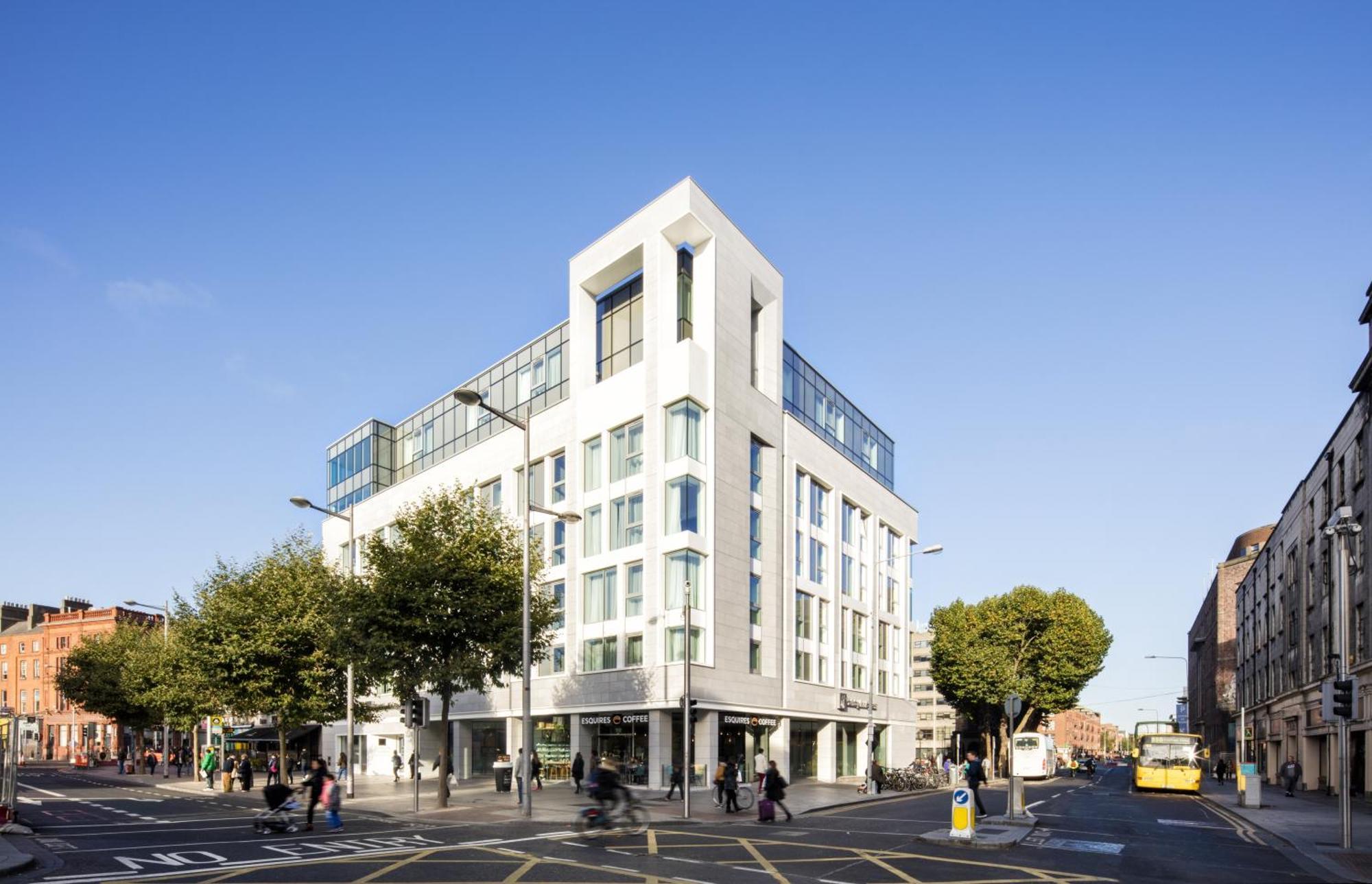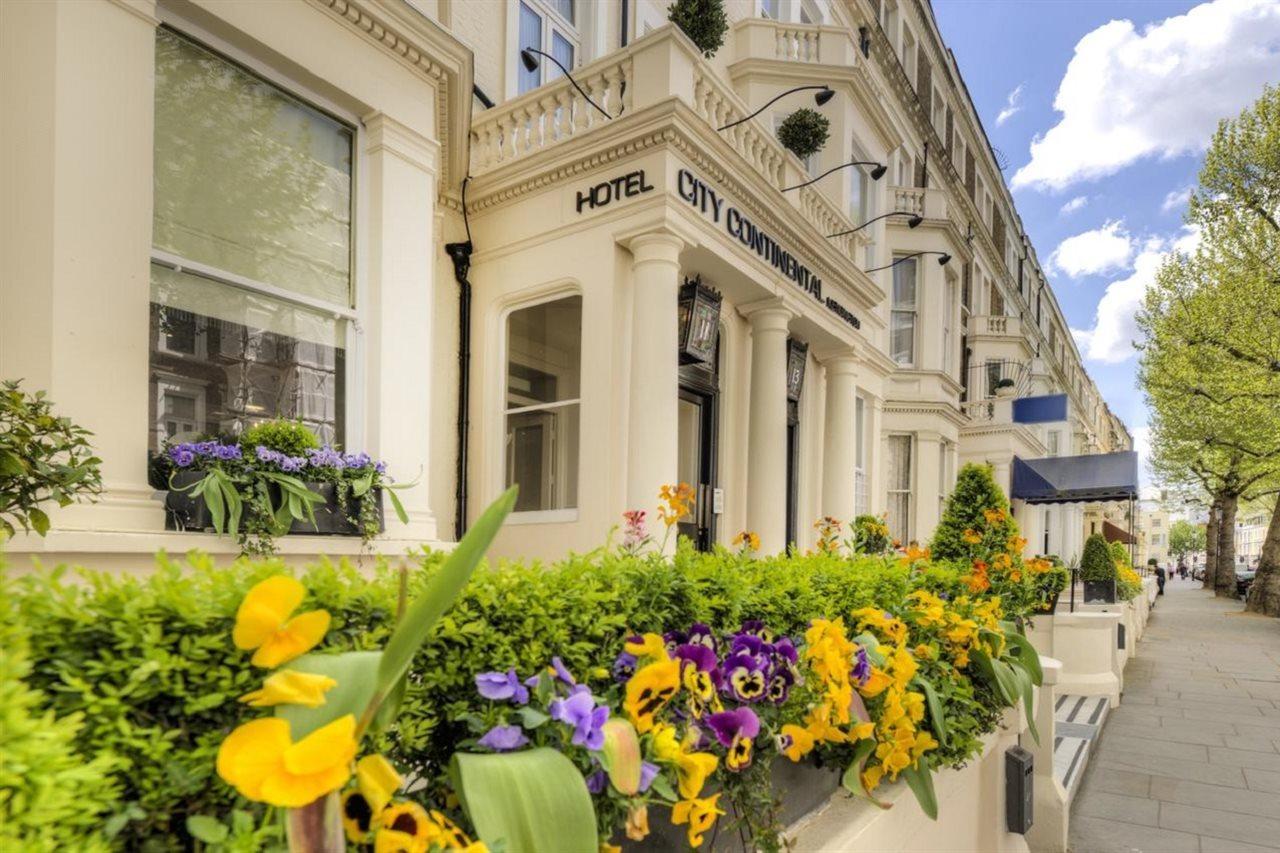
Dublin City Centre concentrates more top attractions per square kilometre than any other Irish city district - Trinity College, Dublin Castle, the Guinness Storehouse, and Temple Bar are all within a 20-minute walk of each other. Finding a budget hotel here means trading some room space for the ability to skip taxis entirely and walk back at night. This guide compares 5 affordable hotels across the city centre, with specific location notes, booking strategy, and the real trade-offs that matter before you commit.
What It's Like Staying In Dublin City Centre
Dublin City Centre is compact and walkable, with most major sights sitting within a tight corridor between O'Connell Street to the north and St. Stephen's Green to the south. The Luas tram and Dublin Bus routes cover the entire centre, making it easy to reach areas like Kilmainham or the Docklands without a car. Crowd density peaks heavily in the Temple Bar and Grafton Street areas on weekends, and street noise along O'Connell Street can be noticeable past midnight - a real factor for light sleepers choosing budget hotels with thinner windows.
Pros:
- * Walk to Trinity College, Dublin Castle, and the Guinness Storehouse without needing transport
- * Direct Luas and Airlink bus connections to Dublin Airport make arrivals and departures straightforward
- * Dozens of restaurants, pubs, and food markets within a 10-minute radius, cutting daily food costs significantly
Cons:
- * Nightlife noise around Temple Bar and O'Connell Street is a real issue on Friday and Saturday nights
- * Budget rooms in the centre tend to be smaller than equivalent price points in outer neighbourhoods like Smithfield or Docklands
- * Street-level foot traffic and occasional anti-social behaviour on O'Connell Street at night can be off-putting for some travellers
Why Choose Budget Hotels In Dublin City Centre
Budget hotels in Dublin City Centre typically start from around €77 per night, which sits well below the city average for central accommodation. What you gain is proximity - no transport costs, no time lost commuting - but the trade-off is almost always room size: standard doubles in this category often run under 16 square metres, with limited wardrobe space and compact bathrooms. The strongest argument for staying centrally on a budget is Dublin's walkability: if you're here for 2 or 3 nights and plan to cover the main sights on foot, the savings on taxis and Luas fares offset any room comfort compromise. Properties along O'Connell Street and around Temple Bar sit closest to the action but absorb the most noise; hotels near St. Stephen's Green and Fitzwilliam Street offer a noticeably quieter alternative at around the same price point.
Main advantages of budget hotels in Dublin City Centre:
- * Lower nightly rates than equivalent locations in London or Edinburgh, with most budget options including free Wi-Fi
- * Immediate access to Henry Street and Grafton Street shopping without transport spend
- * Many budget hotels in the centre include breakfast, which meaningfully reduces the daily cost of a Dublin trip
Main trade-offs in this specific zone:
- * Room sizes are consistently smaller than outer-city budget options, and upgrades are rarely available at short notice
- * Parking in the city centre is expensive and scarce - budget hotels here are not practical for car travellers
- * Peak-season rates (June-August) can push budget hotel prices close to mid-range territory, erasing much of the cost advantage
Practical Booking & Area Strategy
The most strategic street positions for budget stays in Dublin City Centre are along O'Connell Street and its immediate side streets - within 5 minutes on foot to the Luas Red Line, the Airlink 747 airport bus, and Connolly Train Station. For travellers prioritising quieter surroundings, Fitzwilliam Street and the streets around St. Stephen's Green offer a calmer micro-location while remaining walkable to the main sights in under 15 minutes. Temple Bar itself is lively until late - rooms facing Fleet Street or Dame Street will absorb the most nighttime noise, so always request a rear-facing room at check-in if you're a light sleeper.
Dublin's main attractions - Trinity College Book of Kells, Dublin Castle, the Chester Beatty Library, and the National Museum of Ireland - are all reachable on foot from any central budget hotel. St. Patrick's Cathedral and the Guinness Storehouse are around a 25-minute walk west, or a short Luas ride. For timing: book at least 8 weeks ahead for summer travel; March and October offer the best balance of reasonable rates and manageable crowds, with prices running noticeably lower than peak July rates.
Best Value Stays
These three hotels offer the strongest price-to-location ratio in Dublin City Centre, each within walking distance of the main attractions and with practical amenities that keep daily costs down.
-
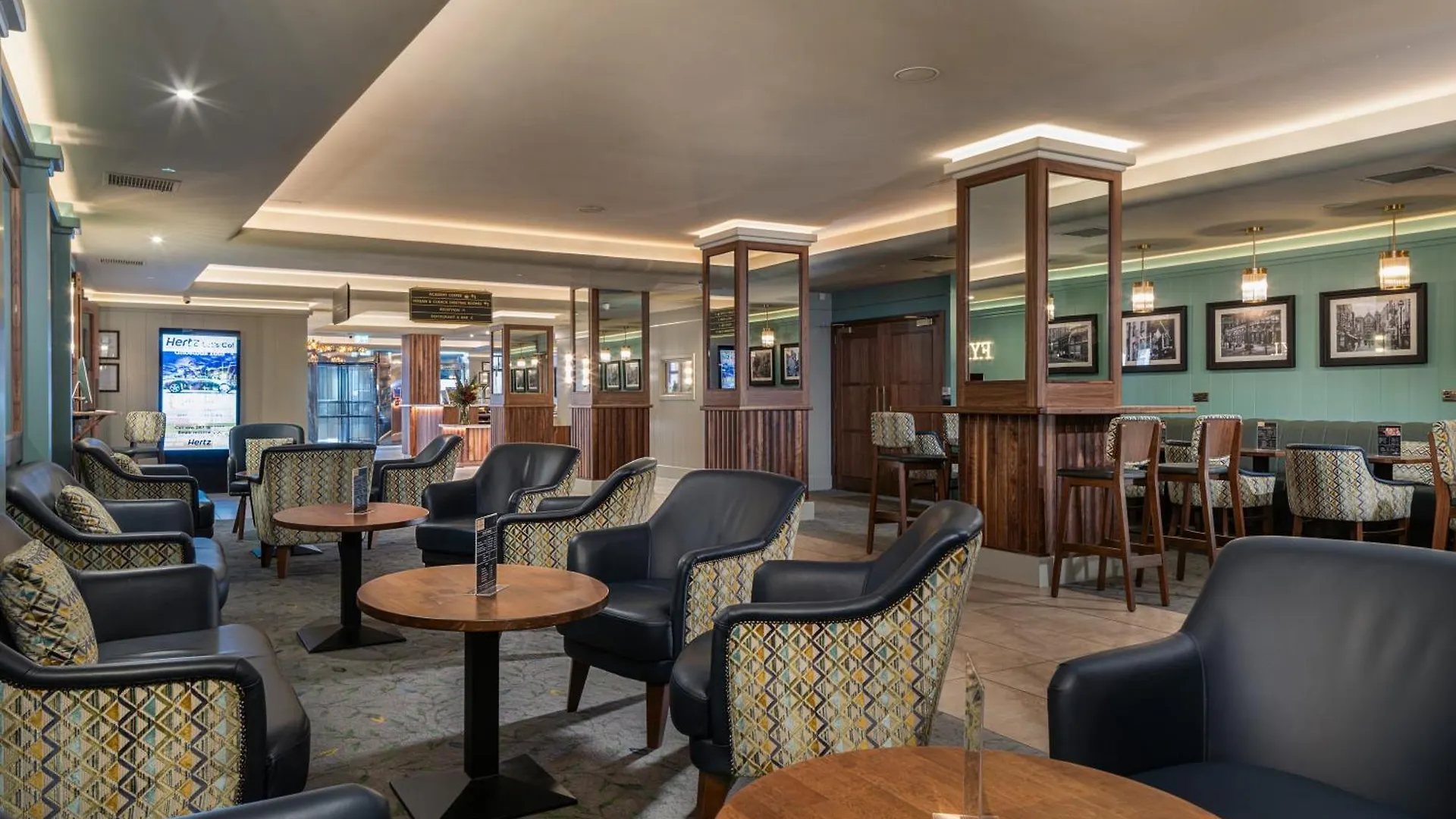
1. Academy Plaza Hotel
Show on map


 Check-infrom 16:00 until 23:59Check-outuntil 11:00
Just a few rooms left at the best rate!
from€ 176
-
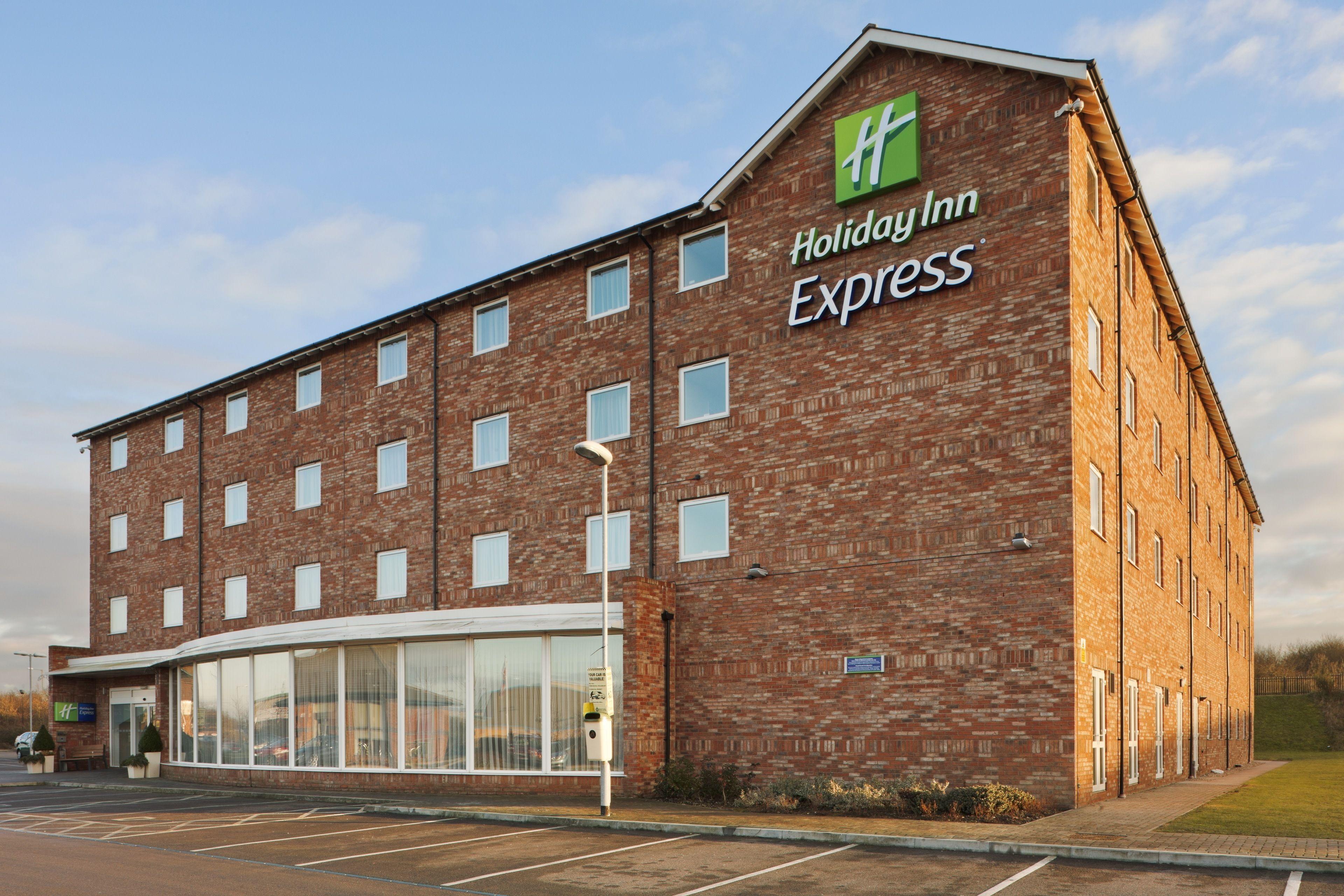
2. Holiday Inn Express Dublin City Centre By Ihg
Show on map


 Check-infrom 14:00 until 23:59Check-outuntil 11:00
Just a few rooms left at the best rate!
from€ 236
-
3. Temple Bar Inn
Show on map


 Check-infrom 15:00 until 23:59Check-outuntil 11:00
Hurry – almost gone at this price!
from€ 200
Best Premium Budget Options
These two properties sit in quieter, more residential parts of the city centre - closer to St. Stephen's Green and Fitzwilliam Street - and offer a stronger sense of character for a similar or slightly higher nightly rate.
-
4. Fitzwilliam Townhouse
Show on map


 Check-infrom 14:00 until 23:59Check-outfrom 05:00 until 11:00
Hurry – almost gone at this price!
from€ 150
-
5. Albany House
Show on map


 Check-infrom 14:00 until 23:59Check-outuntil 11:00
Rooms filling fast – secure the best rate!
from€ 324
Smart Timing & Booking Advice for Dublin City Centre
June through August is peak season in Dublin City Centre - hotel rates climb sharply, availability at budget properties tightens fast, and popular areas like Temple Bar become genuinely crowded by mid-afternoon. Book at least 8 weeks ahead for any summer travel if you want to secure a budget rate; leaving it later will push you into mid-range pricing or outer-city locations. March and October hit the optimal balance: crowds are manageable, rates are lower, and the city's cultural calendar - including St. Patrick's Day in March - remains active. December through February sees the lowest hotel rates across Dublin City Centre, though shorter daylight hours limit sightseeing time.
For most first-time visitors, 3 nights is enough to cover the core attractions on foot - Trinity College, Dublin Castle, Guinness Storehouse, Temple Bar, and the National Museum - without feeling rushed. If you're considering a second trip or extending, use the extra days for Howth, Dun Laoghaire, or the Wicklow Mountains via day trips. Last-minute bookings occasionally surface on weekdays in low season, but for a city break at a confirmed budget price, early booking remains the safer strategy.