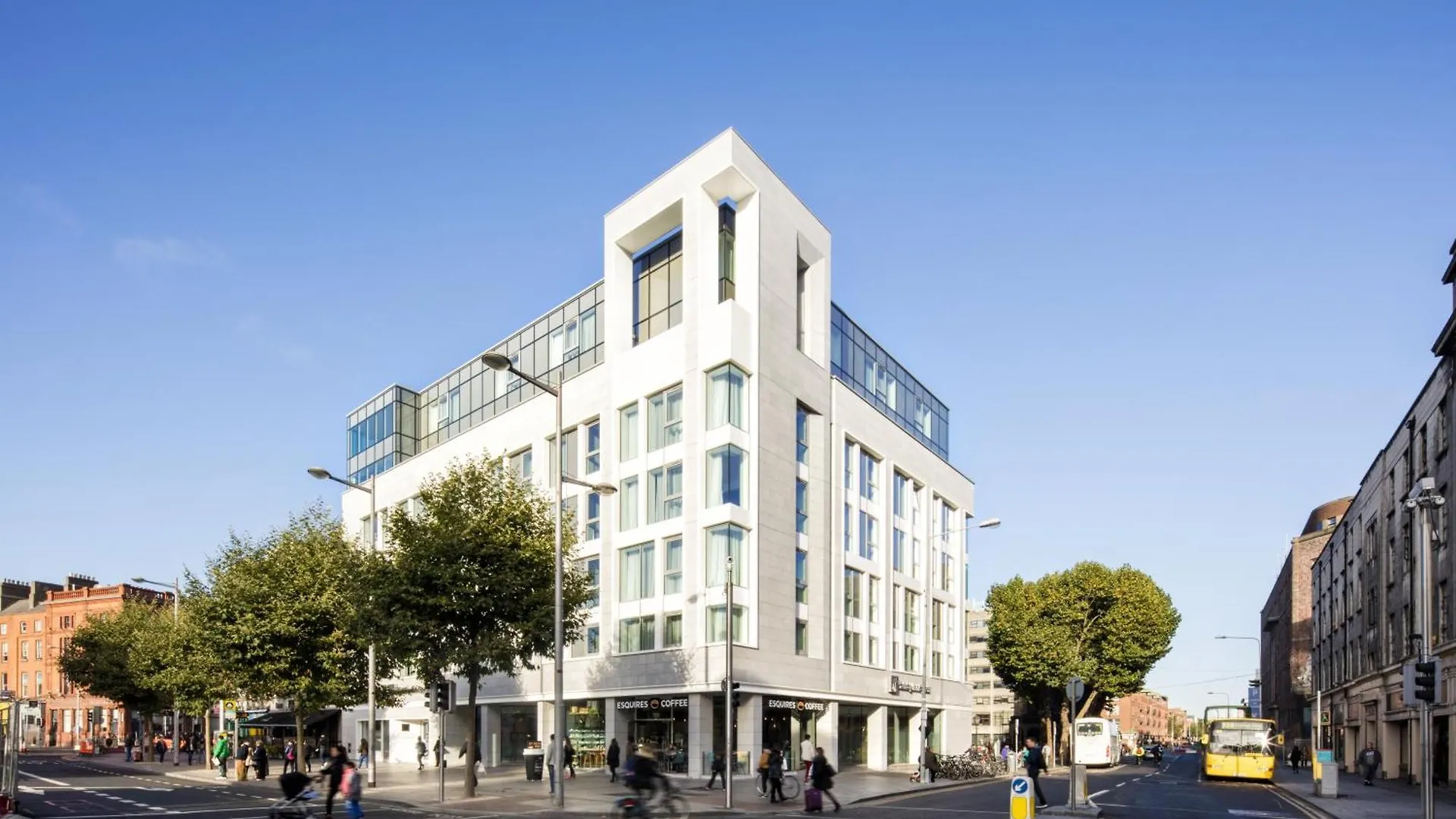
Dublin City Centre's O'Connell Street corridor is the primary arrival axis for travellers flying into Dublin Airport - Aircoach 700/700X services run every 15 minutes directly into the area, dropping passengers within metres of these hotels. For anyone prioritising a fast, low-friction connection between the airport and the city's main attractions, the hotels in this guide sit at the functional heart of that route.
What It's Like Staying in Dublin City Centre
The O'Connell Street and Parnell Square zone is Dublin's highest-density transit hub - Aircoach, Dublin Bus, and the Luas red line all converge here, making airport arrivals and city-wide movement genuinely walkable or one-stop. Temple Bar, Trinity College, and the Ha'Penny Bridge are all within a 10-minute walk, so sightseeing rarely requires a vehicle. Crowd levels on O'Connell Street peak noticeably during summer weekends and on match days at Croke Park, which is around 20 minutes on foot from the strip.
Pros:
- * Aircoach 700/700X stops directly on O'Connell Street, cutting airport-to-room time to under 30 minutes without a taxi
- * Henry Street, Grafton Street, and the Luas are all within a 5-minute walk, removing the need for daily transport costs
- * The area operates 24 hours - late arrivals and early departures are logistically straightforward from this location
Cons:
- * O'Connell Street itself can be noisy past midnight on weekends; rooms facing the street on lower floors will notice this
- * Parking is limited and expensive - the area is built for public transport, not self-drive travellers
- * The northside city centre lacks the boutique dining density of the Grafton Street or Portobello areas
Why Choose Airport-Accessible Hotels in Dublin City Centre
Hotels marketed as airport-accessible in Dublin City Centre are not airport hotels in the traditional sense - they don't sit on airport grounds, but they occupy the exact bus corridor that connects Dublin Airport to the city, making transfer times competitive with suburban airport hotels without the trade-off of being isolated from the city. Aircoach tickets from the airport start from around €6 one-way, versus taxis that typically run €30-45 depending on traffic, making the city-centre position significantly more cost-efficient for multi-night stays. Room sizes in this category are typically urban mid-range - functional rather than spacious - but the proximity to attractions offsets the need for a base with resort-style amenities.
Pros:
- * Direct bus routes to Dublin Airport run 24/7, covering early-morning and late-night flights without surcharges
- * Staying central means zero additional cost or time to access Dublin's main attractions - unlike suburban airport hotels that require a second journey
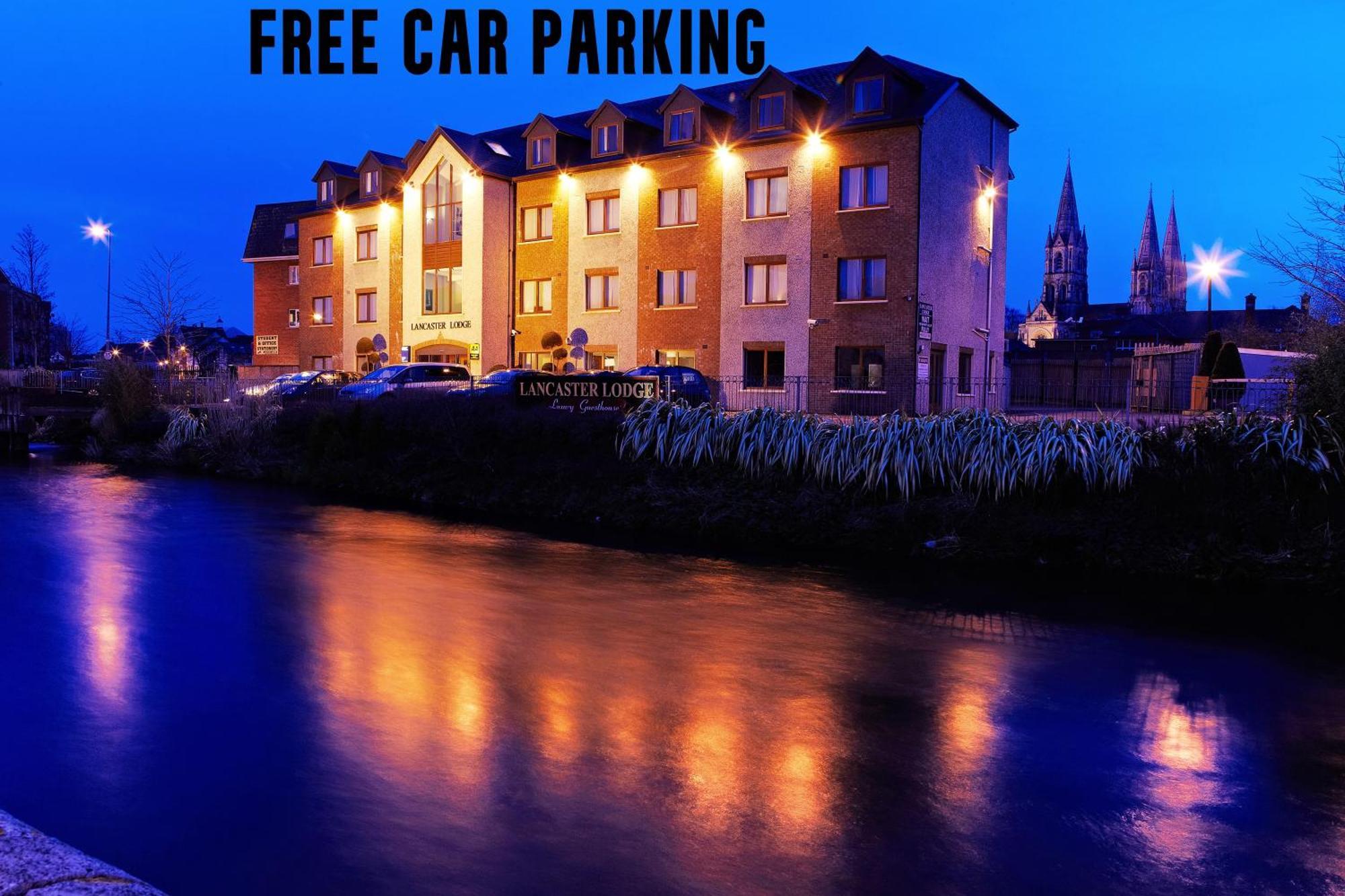
- * Hotels in this corridor typically include amenities like complimentary breakfast, free Wi-Fi, and parking - reducing total trip spend
Cons:
- * Rooms rarely exceed mid-range size; travellers expecting large suites or resort-scale space should look at 5-star options further south near St. Stephen's Green
- * The area is utilitarian rather than atmospheric - it lacks the character of the Liberties or Georgian Dublin neighbourhoods
- * Demand spikes sharply during rugby internationals, GAA finals, and summer festivals, making last-minute booking at reasonable rates unlikely
Practical Booking & Area Strategy
For airport-connection efficiency, the best-positioned streets are O'Connell Street itself, Findlater Place, and the stretch running north toward Parnell Square - all served directly by the Aircoach 700 corridor and within a short walk of the Luas red line at Abbey Street. Connolly Station is a 5-minute walk from the O'Connell Street cluster, giving access to DART coastal trains and intercity rail, which matters for travellers combining a Dublin city stay with onward travel to Galway or Belfast. The 3Arena, Convention Centre Dublin, and Croke Park are all reachable without a taxi from this zone, which makes it a practical base for event-driven stays. Book at least 6 weeks ahead for any stay overlapping with St. Patrick's Festival in March, Bloomsday in June, or All-Ireland GAA finals in August, when city-centre rates climb steeply and availability drops fast. Trinity College, Dublin Castle, and the Hugh Lane Gallery are all walkable landmarks that require no transport budget whatsoever from these hotels.
Best Value Stays
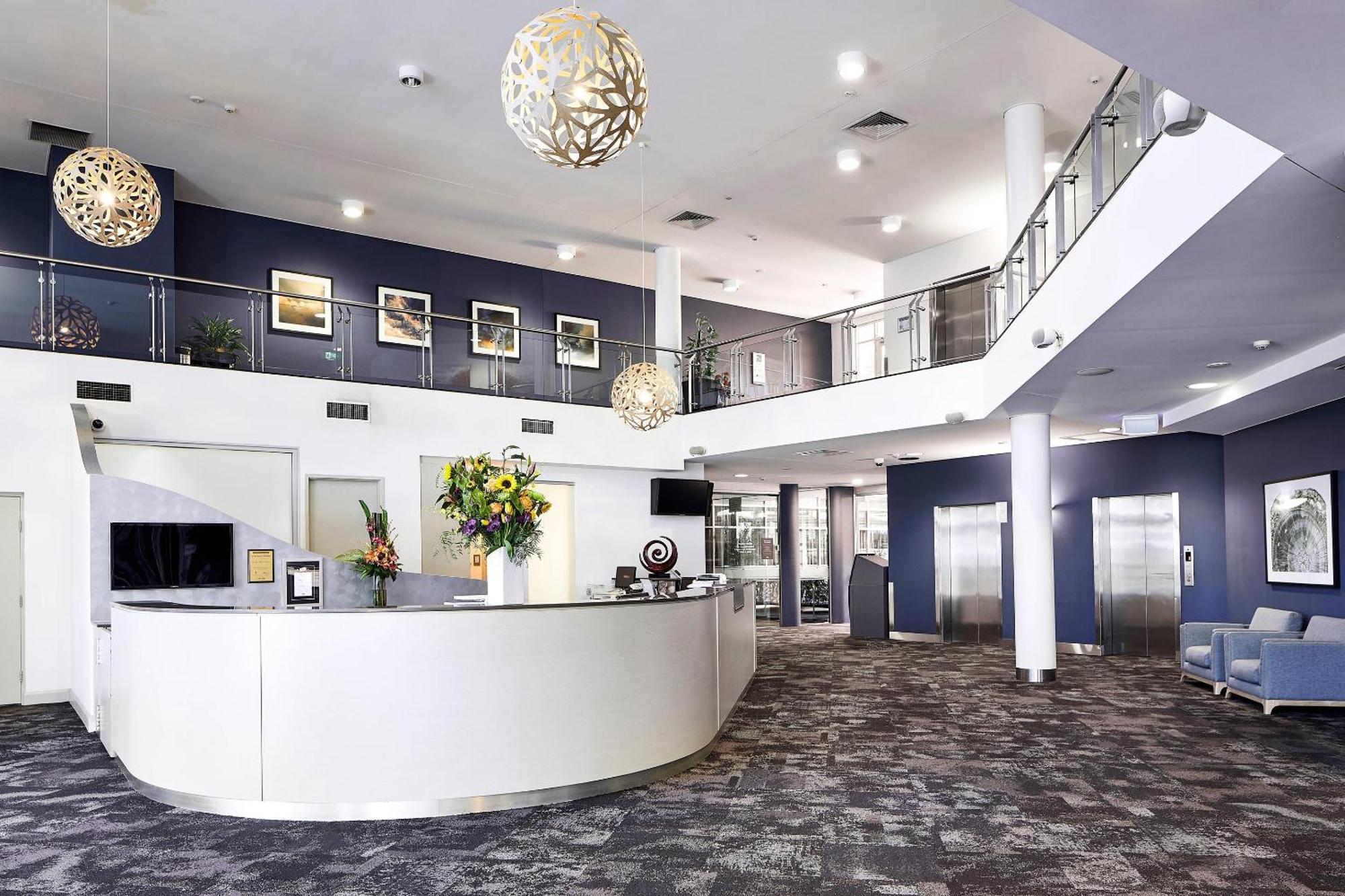
These two hotels sit directly on the Aircoach route and offer solid practicality - complimentary breakfast, free Wi-Fi, and consistent airport access - at rates that stay below the premium tier without sacrificing central positioning.
-
1. Holiday Inn Express Dublin City Centre By Ihg
Show on map


 Check-infrom 14:00 until 23:59Check-outuntil 11:00
Just a few rooms left at the best rate!
from€ 236
-
2. Academy Plaza Hotel
Show on map


 Check-infrom 16:00 until 23:59Check-outuntil 11:00
Hurry – almost gone at this price!
from€ 176
Best Premium Stay
For travellers who want a city-centre base with historic character, a notable restaurant, and solid airport-route proximity, Wynn's Hotel delivers a meaningfully different experience from the chain segment above.
-
3. Wynn'S Hotel
Show on map


 Check-infrom 15:00 until 23:59Check-outuntil 12:00
Rooms filling fast – secure the best rate!
from€ 72
Smart Travel & Timing Advice
Dublin City Centre hotels in this corridor run at their highest occupancy from June through August, when summer festivals, GAA championship matches at Croke Park, and tourist volume push rates up sharply - booking around 6 weeks in advance for a summer stay is the minimum, though 8-10 weeks is more reliable for the best room categories. St. Patrick's Festival week in mid-March is the single most demand-compressed period of the year; last-minute availability in the O'Connell Street area during that week is effectively zero at reasonable rates. January and February represent the quietest window, with discounts of around 30% off peak summer pricing achievable, though daylight is short and outdoor exploration is limited. For airport-logic stays specifically - arrival night before an early flight, or first-night arrival from an international connection - weeknight stays in October and November offer the best balance of price, availability, and manageable crowd levels. A 2-night stay covers the city's core walking circuit (Trinity College, Temple Bar, O'Connell Street, Dublin Castle, and the Docklands) without feeling rushed, while 3 nights allows a day trip to Howth or the Wicklow Mountains via Connolly Station.