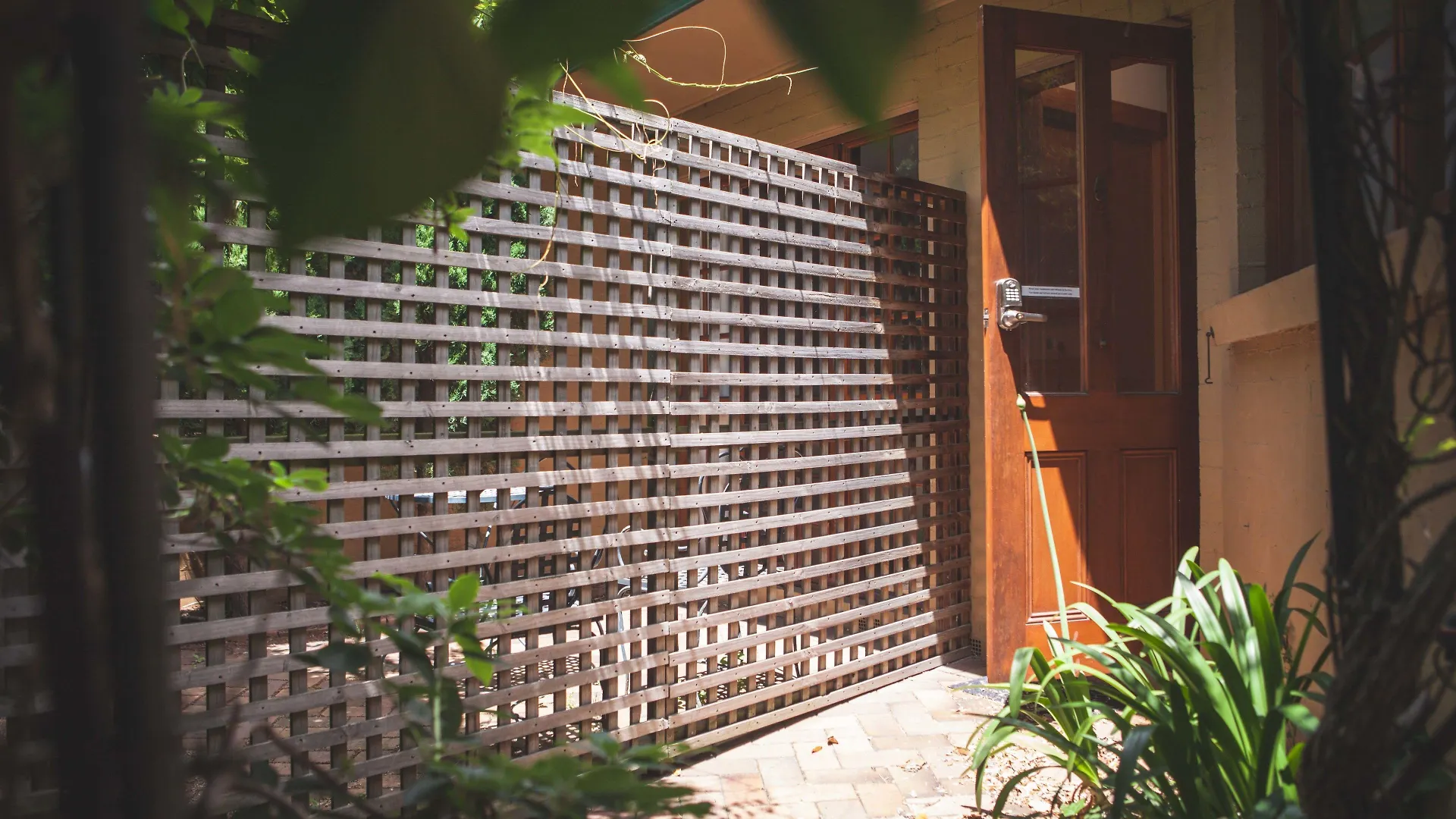
Launceston CBD is one of regional Australia's most architecturally layered urban centres, where Georgian streetscapes, repurposed industrial buildings, and riverside precincts create a genuinely distinctive backdrop for design-conscious accommodation. The eight hotels featured in this guide span the CBD's walkable core and its immediate waterfront edges, offering strong variety in style, scale, and positioning - from heritage grain silos converted into luxury suites to full-service city-centre properties steps from the main shopping strip.
What It's Like Staying in Launceston CBD
Launceston CBD is compact enough that most design hotels here place you within a 10-minute walk of the primary retail corridor on Brisbane Street, the seaport dining precinct, and key cultural sites like the Queen Victoria Museum. The CBD grid is walkable by Tasmanian standards, but the city's terrain shifts noticeably once you move toward Cataract Gorge, which sits around 15 minutes on foot from the centre. Evening foot traffic is concentrated around the Seaport and Charles Street areas, while the inner CBD quiets down considerably after 9 PM - a genuine contrast to capital-city expectations that suits travellers who prefer atmosphere over all-night noise.
Transport out of the CBD is car-dependent for regional excursions; Launceston Airport sits around a 15-minute drive away, and the Tamar Valley wine region requires a vehicle unless you join a tour. Visitors who book entirely around walkability will find the CBD rewarding, but those planning day trips to the east coast or the Huon Valley should factor in car rental from day one.
Pros:
- * Walking access to Cataract Gorge trailhead, seaport restaurants, and the Queen Victoria Museum within a single compact zone
- * Lower ambient noise than equivalent-sized CBDs on the mainland, especially after dinner hours
- * High concentration of local restaurants, craft breweries, and galleries within the walkable core
Cons:
- * Regional day trips require a hire car - public transport connections to the Tamar Valley and Freycinet are limited
- * Parking in the CBD can tighten during the Festivale food and wine event held in February
- * Some CBD blocks feel quiet in the evening, which may feel underwhelming for travellers expecting a metropolitan buzz
Why Choose a Design Hotel in Launceston CBD
Design hotels in Launceston CBD tend to leverage the city's heritage fabric in ways that generic chain properties cannot - repurposed industrial architecture, river-facing outlooks, and locally sourced materials are recurring features that differentiate the category here. Rates for design-forward stays in the CBD typically run around 30% higher than standard three-star options, but the gap closes significantly outside peak season when occupancy drops. Room sizes in the CBD's better-positioned design properties are generally more generous than in comparable Australian capital-city boutique hotels, partly because the buildings were originally constructed for industrial or civic purposes rather than maximum unit yield.
The trade-off is availability: the CBD's most characterful properties carry fewer than 80 rooms on average, meaning last-minute bookings during the summer festival season between December and February are risky. Travellers who prioritise aesthetic environment over amenity breadth will find the design hotel segment here genuinely rewarding, while those who need full conference infrastructure or a large pool should weigh options carefully before committing.
Pros:
- * Heritage conversions and riverside settings deliver a distinctly Tasmanian visual identity that standard hotels cannot replicate
- * Smaller room counts mean quieter corridors and more attentive service ratios compared to the CBD's larger full-service properties
- * On-site dining at design properties in Launceston CBD consistently reflects the local produce scene, with several operating farm-to-table menus
Cons:
- * Boutique room inventory sells out fast during Festivale (February) and the Launceston Cup racing week - book at least 6 weeks ahead
- * Some design properties in the CBD trade pool and spa facilities for architectural character - confirm amenities before booking
- * Parking access varies significantly between properties; not all CBD design hotels offer on-site spaces
Practical Booking & Area Strategy for Launceston CBD
The strongest positioning for design hotels in the CBD sits along the George Street and Brisbane Street corridor, which keeps you within a flat, walkable distance of the Seaport precinct, City Park, and the main dining strip on Charles Street. Properties closer to the Tamar River waterfront - particularly around the Seaport dock - offer elevated visual appeal but add around 10 minutes of walking to reach the CBD retail core. If you're arriving by car, confirm whether your chosen property offers on-site parking before booking, as street parking around the inner CBD is metered and time-limited during business hours.
For attractions, Cataract Gorge is around a 15-minute walk from the CBD's western edge - the First Basin circuit is one of the most accessible natural walks from any Australian city centre. The Queen Victoria Museum at Inveresk, Boags Brewery on William Street, and the Albert Hall Convention Centre are all reachable on foot from centrally positioned hotels. The Seaport dining precinct operates lively lunch and dinner services, making waterfront-adjacent stays particularly practical for food-focused travellers. Book during March through May or September through November to secure the best rate-to-availability ratio, avoiding both summer festival surges and the quietest winter weeks when some venues reduce their hours.
Best Value Design Stays in Launceston CBD
These properties deliver strong design character and CBD access at a more accessible price point, making them the pragmatic choice for travellers who want the aesthetic without the premium room rate.
-
1. Hideaway On George
Show on map


-
2. Quality Hotel Colonial Launceston
Show on map


-
3. Best Western Plus Launceston
Show on map


-
4. Mercure Launceston
Show on map


Best Premium Design Stays in Launceston CBD
These properties lead with architectural distinction, waterfront or heritage positioning, and elevated room specifications - the right choice when the hotel itself is part of the experience.
-
5. Peppers Seaport Launceston
Show on map


-
6. Peppers Silo Launceston
Show on map


-
7. Hotel Grand Chancellor Launceston
Show on map


-
8. The Sebel Launceston
Show on map


Smart Travel & Timing Advice for Launceston CBD
Launceston's peak booking pressure concentrates in two windows: the summer festival period from December through February, driven by Festivale (typically held over three days in mid-February) and the Launceston Cup racing week, and the autumn harvest season in March and April when Tamar Valley wine tourism peaks. Book at least 6 weeks ahead for February stays - the CBD's design and boutique properties sell out faster than larger chain hotels because their room counts are smaller. Rates during peak summer can run around 40% higher than the shoulder season equivalent at the same property.
The quietest and most affordable window is June through August, when winter temperatures drop but the city's indoor food and cultural scene remains fully active. Most CBD design hotels maintain full breakfast and restaurant service year-round, so a winter stay sacrifices nothing in terms of on-property experience. Three nights is the practical minimum for a CBD-based stay that meaningfully covers Cataract Gorge, the Seaport, the Queen Victoria Museum, and at least one Tamar Valley day trip - two nights will feel rushed unless your itinerary is tightly focused on the CBD alone. Last-minute deals occasionally appear in the July-August window, but the strongest rate-to-room-quality ratio consistently sits in May and September.