St James sits at the geographic and historic core of central London - flanked by Buckingham Palace to the west, Trafalgar Square to the east, and Green Park to the north. Staying here means you're within a short walk of more major sights than almost any other district in the city, without the noise and density of Soho or the tourist saturation of Covent Garden. This guide covers 5 central hotels in and directly around St James, breaking down what each property actually offers, how they compare, and which booking strategy makes sense for this postcode.
What It's Like Staying in St James
St James is one of central London's quietest districts after dark - a noticeable contrast to neighbouring Soho or Leicester Square, which stay loud well past midnight. The area's street layout, dominated by Pall Mall, Jermyn Street, and St James's Street, keeps pedestrian traffic manageable even during peak summer months, and most hotels here sit on calmer side streets rather than main thoroughfares. Green Park and St James's Park tube stations sit on the District, Circle, Jubilee, and Piccadilly lines, putting you within around 4 minutes' walk of a direct connection to Heathrow, Canary Wharf, or King's Cross.
The trade-off is that St James is not a neighbourhood built for convenience shopping or casual dining - supermarkets are scarce, and most restaurants here lean formal or expensive. Travellers who spend their days out exploring and want a calm, well-connected base at night will find it suits them well; those wanting lively streets on their doorstep may prefer Covent Garden.
Pros:
- * Walking distance to Buckingham Palace, St James's Park, Trafalgar Square, and the National Gallery without crossing a single tube line
- * Noticeably quieter at night than Soho, Covent Garden, or the West End - useful for early risers and lighter sleepers
- * Green Park and St James's Park tube stations give direct access to all major London rail terminals
Cons:
- * Limited options for casual or budget dining within the immediate area - most restaurants are formal sit-down or tourist-facing
- * Virtually no supermarkets within the district itself; nearest Waitrose or Tesco Express requires a walk to Victoria or Piccadilly
- * Hotel prices in this postcode carry a central London premium - comparable rooms in Southwark or Bloomsbury typically cost noticeably less
Why Choose Central Hotels in St James
Central hotels in St James and its immediate surrounds - covering the Piccadilly Circus, Trafalgar Square, and Victoria corridor - offer a practical middle ground between the ultra-premium St James's Palace end of the district and the busier zones of Soho. These properties tend to be larger in inventory than boutique hotels, which means more consistent availability even during peak periods, but room sizes in this postcode average around 180-240 square feet in standard categories - not generous by international standards. The real value case is consolidation: when major sights are all within a 15-minute walk, transport spend and transit fatigue drop significantly over a multi-day stay.
Soundproofing is a genuine differentiator to check here - hotels directly on Piccadilly or near Leicester Square face meaningful road and crowd noise, while properties tucked a block back on quieter streets show a marked difference in sleep quality. Breakfast options also vary significantly across this tier, with some properties offering full restaurant service and others relying on room-based setups or coffee houses.
Pros:
- * Consolidated access to central London sights reduces daily transport costs and travel time compared to staying in outer districts
- * Larger hotel inventories in this category mean better availability and more room-type flexibility during peak summer months
- * Several properties in this area include in-room kitchenette setups, reducing reliance on expensive local restaurants for every meal
Cons:
- * Standard rooms average around 180-200 square feet - tighter than equivalent-priced rooms in less central postcodes
- * Street-facing rooms on Piccadilly or Shaftesbury Avenue can be noticeably noisy; always worth requesting a courtyard or rear-facing room at booking
- * The central London premium means rate spikes of around 40% during summer and major events compared to shoulder months
Practical Booking & Area Strategy
The most strategically positioned streets for a central St James stay are Piccadilly itself, St Martin's Place (connecting Trafalgar Square to Charing Cross Road), and the Victoria corridor along Buckingham Palace Road - each gives you a different radius of walkable sights. From St Martin's Place, Trafalgar Square is under 2 minutes on foot, Covent Garden is around 10 minutes, and St James's Park is 12 minutes; from Buckingham Palace Road, you're closer to Victoria Station (5 minutes) but further from the West End theatre cluster. Piccadilly Circus tube station, 100 metres from some of the hotels in this guide, is one of London's most connected interchange points, with direct Bakerloo and Piccadilly line access.
St James and its surrounds are safe to walk at all hours - the area around Piccadilly Circus gets busy but not aggressive at night, and the streets towards St James's Park are among the calmest in central London after 10pm. For things to do, the district packs in the Royal Academy of Arts on Piccadilly, Jermyn Street for specialist shopping, the Churchill War Rooms on King Charles Street, the Institute of Contemporary Arts on The Mall, and St James's Church designed by Christopher Wren. Book at least 6 weeks ahead for July and August stays, when central London hotel occupancy regularly exceeds 90% and standard rooms sell out first.
Best Value Stays
These properties offer the strongest price-to-location ratio in the St James corridor, with direct access to Piccadilly Circus, Trafalgar Square, and Victoria - all within walking distance. Expect functional, well-equipped rooms without the full-service overheads of premium properties.
-
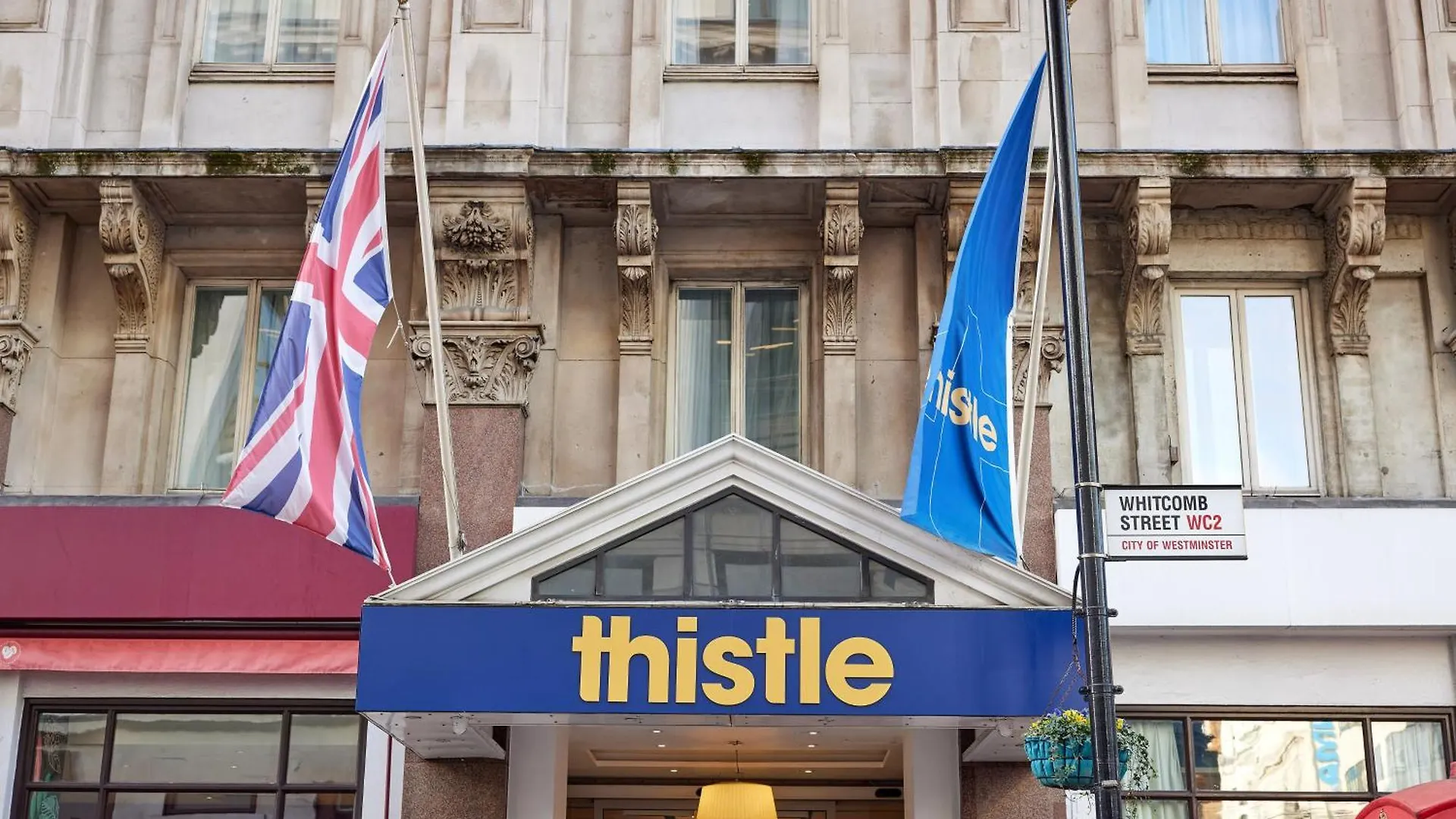
1. Thistle London Piccadilly
Show on map


-
2. Zedwell Hotel Piccadilly Circus
Show on map


-
3. The Resident Victoria
Show on map


Best Premium Stays
These two properties offer a step up in room specification, on-site amenities, or distinctive character - suited to stays where the hotel experience itself is part of the itinerary rather than just a base.
-
4. Page8, Page Hotels
Show on map


-
5. The Resident Covent Garden
Show on map


Smart Travel & Timing Advice
Central London hotels in the St James corridor follow a predictable pricing curve: January through March represents the lowest nightly rates of the year, with occupancy down and fewer competing events driving prices up. July and August are the most expensive months - school holidays, international tourist arrivals, and the summer exhibition season at the Royal Academy combine to push central London occupancy well above 90%, and last-minute availability in standard rooms effectively disappears. The Trooping the Colour parade in June and major state occasions around Buckingham Palace also create short-term demand spikes in this specific postcode that neighbouring areas like Shoreditch or Battersea simply don't experience.
A stay of 3 nights is the practical minimum for getting value from a central location here - enough to cover the key sights on foot without rushing, and to offset the premium nightly rate across more days of actual use. For summer visits, booking 6 weeks ahead is the realistic threshold before preferred room types start selling out at the better-rated properties; for peak events like New Year's Eve or Trooping the Colour weekend, that window extends to several months. Shoulder months - April, May, and September - offer a better combination of reasonable rates, longer daylight hours, and manageable crowd levels across St James's Park and the surrounding streets.