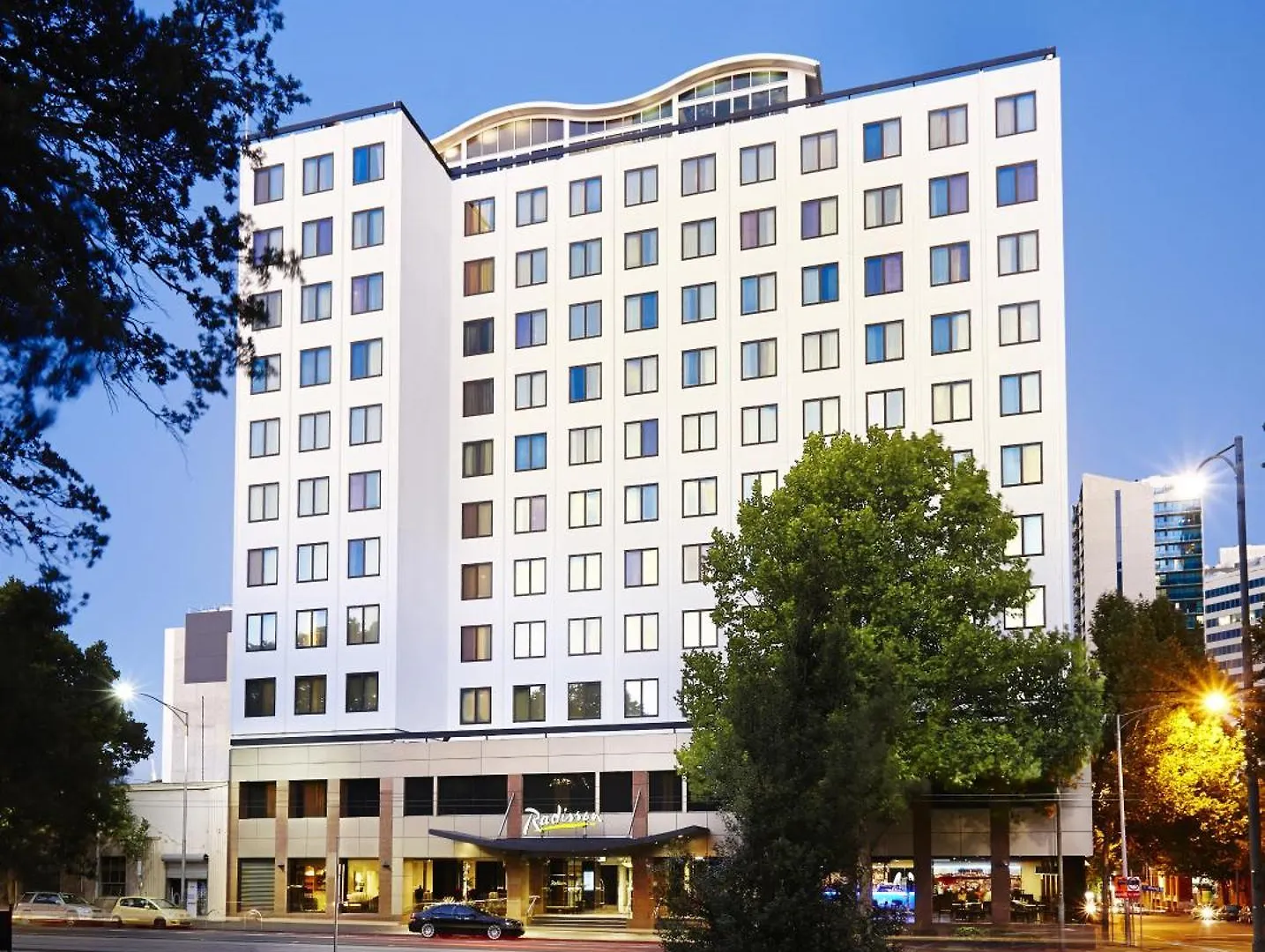
Melbourne CBD concentrates the majority of the city's corporate activity, government offices, and conference venues within a compact, walkable grid - making hotel positioning here a direct productivity decision, not just a comfort one. This guide covers the two strongest business hotel options in the district, comparing facilities, location advantages, and booking strategy so you can choose without second-guessing.
What It's Like Staying in Melbourne CBD
Melbourne's Central Business District operates on a tight grid between Flinders Street to the south and La Trobe Street to the north, meaning most corporate destinations, meeting rooms, and transport hubs sit within a 15-minute walk of any CBD hotel. The Free Tram Zone covers the entire CBD, so getting between Docklands, Southbank, and the northern end of the grid costs nothing and runs frequently throughout the day. Foot traffic peaks noticeably during weekday lunch hours and after major events at Marvel Stadium or Crown - useful to factor in when scheduling client dinners or late arrivals.
The CBD noise level at street level is consistent with any major urban core: trams, construction, and weekend crowds are a reality, particularly on Swanston and Elizabeth Streets. Upper-floor rooms on quieter cross streets like William or King deliver a meaningfully different acoustic experience than lower-floor rooms facing the main corridors.
Pros:
* Free tram network covers the full CBD grid with no ticketing required
* Walking access to Melbourne Central, Southern Cross Station, and Flinders Street within 20 minutes
* High density of corporate dining, meeting venues, and coworking spaces within the district
Cons:
* Weekend and event-night noise is unavoidable on main tram corridors
* CBD hotel parking is expensive and rarely included in room rates
* Rooms at street level or facing Swanston Street tend to show higher ambient noise
Why Choose Business Hotels in Melbourne CBD
Business hotels in Melbourne CBD are built around a different operational logic than leisure stays: meeting rooms, express check-in, business centres, early breakfast services, and reliable Wi-Fi are standard inclusions rather than upsells. Room sizes in CBD business properties typically start around 34 square metres for standard configurations, with floor-to-ceiling windows and work desks as baseline amenities - details that matter when you're spending half your stay in the room between meetings. The trade-off is cost: CBD business hotel rates run noticeably higher than equivalent properties in Southbank or Docklands, reflecting the location premium and corporate infrastructure built into the rate.
What separates this category from standard CBD accommodation is the layered service - 24-hour front desks, same-day dry cleaning, valet parking, luggage storage, and concierge access to transport tickets are consistently available. Corporate travelers booking on short notice will find CBD business hotels hold availability better than boutique options, though pricing spikes sharply around the Australian Open (January), the Formula 1 Grand Prix (March), and the AFL Grand Final (September).
Pros:
* Business centres, meeting rooms, and in-room desks are standard, not add-ons
* 24-hour room service and express check-out reduce time lost to logistics
* Direct access to Southern Cross Station for interstate rail and airport bus connections
Cons:
* Nightly rates run higher than comparable leisure hotels in adjacent precincts
* Corporate infrastructure can make common areas feel transactional rather than relaxed
* Limited boutique or independent dining within the hotels themselves - most on-site restaurants are functional rather than destination-worthy
Practical Booking & Area Strategy
For business travelers, William Street and King Street in the western CBD offer the best balance of quiet positioning and fast access to Southern Cross Station, the Collins Street legal and financial precinct, and the Docklands office towers - all reachable on foot in under 15 minutes. Swanston Street properties sit closer to Melbourne Central and Federation Square but absorb significantly more street-level noise from trams. The Southbank end of the CBD (near Queensbridge Street) works well if your meetings concentrate around Crown or the Melbourne Convention and Exhibition Centre, though the walk to the northern CBD adds time.
Flagstaff Gardens and Queen Victoria Market sit at the northern edge of the grid - useful orientation points for hotels on William Street. The Free Tram Zone means you can reach Docklands, the arts precinct, and Flinders Street without a transport card. Book at least 6 weeks ahead for stays during the Australian Open, Grand Prix, or AFL finals - CBD business hotel inventory at those periods is absorbed largely by corporate bookings and event packages, leaving last-minute travelers with limited options at inflated rates. Outside peak events, the CBD offers reasonable last-minute availability during weekdays, with weekend rates often lower than the Monday-Thursday corporate window.
Best Value Stay
The Flagstaff Gardens Hotel Melbourne offers the most accessible entry point into CBD business accommodation, with a position on William Street that balances proximity to the financial core with noticeably less street noise than the main tram corridors.
-
1. Flagstaff Gardens Hotel Melbourne
Show on map


Best Premium Stay
Crown Promenade Melbourne operates at the upper tier of CBD business accommodation, with a direct physical connection to the Crown Casino and Entertainment Complex and a room inventory that consistently delivers city, bay, or river views from well above street level.
-
2. Crown Promenade Melbourne
Show on map


Smart Travel & Timing Advice for Melbourne CBD
Melbourne CBD hotel pricing follows a predictable event calendar rather than a simple seasonal curve. The Australian Open in January drives occupancy across all CBD business hotels to near capacity, with rates spiking well above standard nightly prices - booking around 8 weeks out is the minimum viable lead time for that window. The Formula 1 Grand Prix in March and the AFL Grand Final in September create similar compression, particularly for properties near Crown and Southern Cross Station. February and June-July represent the calmest pricing windows in the CBD, with lower occupancy and better room category availability for the same budget. Mid-week stays (Monday-Thursday) consistently attract corporate rates that drop noticeably compared to weekend pricing, which is counter-intuitive for leisure travelers but standard for business hotel pricing structures in Australian CBDs.
For most corporate itineraries, a 2-night minimum makes logistical sense - check-in and check-out overhead, plus the time cost of navigating the city, rarely justify a single-night stay unless you're transiting for a same-day meeting. The CBD's compact grid means a 3-night stay covers most corporate schedules without needing to relocate for external meetings. Last-minute bookings during non-event periods remain feasible on weekdays, but weekend availability for business hotels drops sharply once leisure demand absorbs the remaining inventory by Thursday evening.